
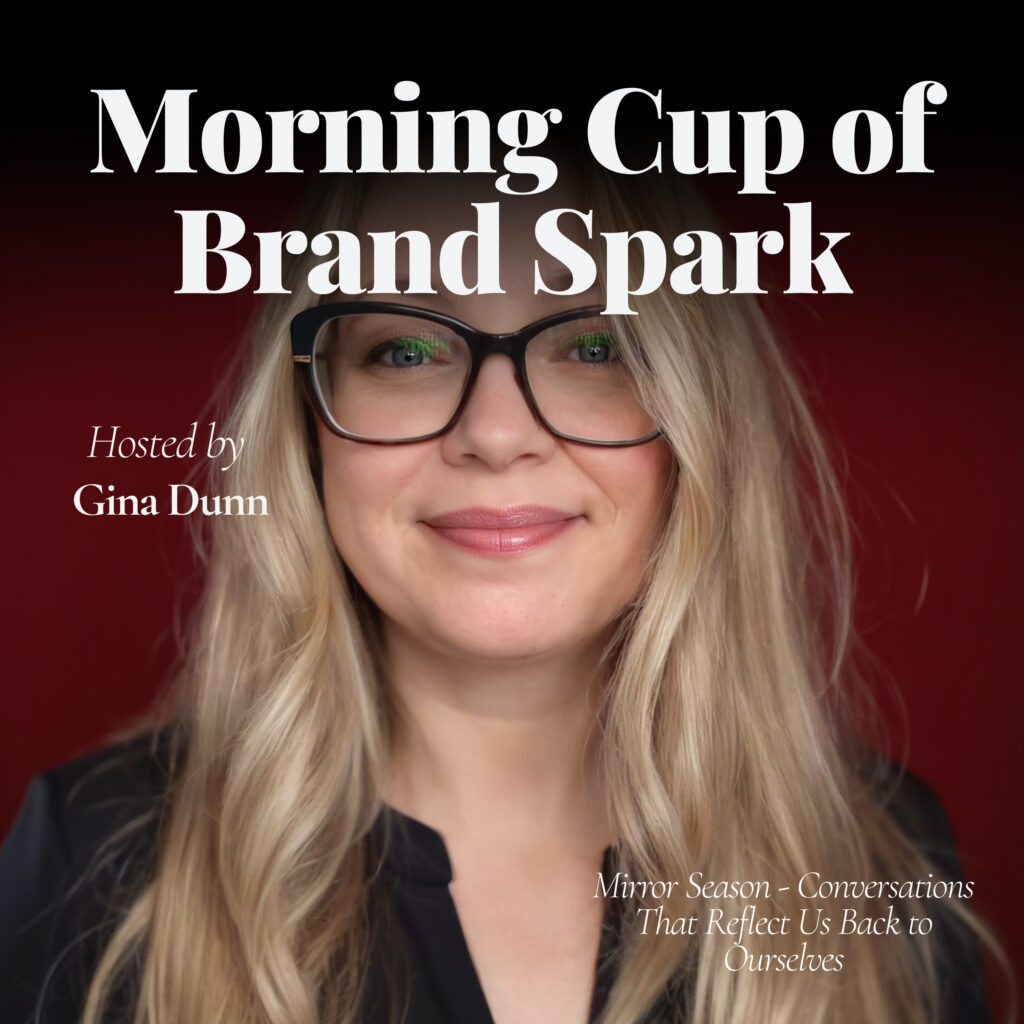
How to Build a Personal Brand Without Oversharing – EP32 (May 30, 2025)
Your brand is personal — but it doesn’t have to be public therapy.
Today’s spark is for every founder trying to show up authentically… without spilling their entire life on the internet.
Let’s talk boundaries, connection, and building a magnetic personal brand that still feels safe.
Discover more:
👉 Take the Brand Glow-Up Audit Toolkit — and get clarity on what’s working, what’s not, and what to fix first. [click here]
🧠 Find your biggest brand gap: What’s Your Brand Blocker? Quiz — fast, free, freakishly accurate. [click here]
🎙️ Like spicy marketing convos with AI + bold branding? Tune into my video podcast with Natalie: BrandedAF → [click here]
📬 Get my juiciest takes every month in the Brandology LinkedIn Newsletter — follow here → [click here]
💬 DM me your spark from today’s episode — I read every single one. Seriously.
🤝 Let’s connect on LinkedIn — drop me a note and tell me what you’re building → [click here]
🚨 Feeling stuck or scattered? Book a 1:1 Clarity Call with me — we’ll find your brand’s backbone and make it work smarter. [click here]
"Your brand should feel personal, not exposed. You can build real connection without giving everything away."
Full transcript
Hey, let's hit it with episode 23, the oversharing antidote, because building a personal brand doesn't mean you need to air your entire life out there. It means showing up in a way that connects without self-sacrificing for authenticities.
Ahem.
Hey, let's hit episode 32, the oversharing antidote, because building a personal brand doesn't mean you need to air out your entire life online. It means showing up in a way that connects without self-sacrificing for authenticity. Your brand is personal, but it doesn't have to be public therapy. Today's spark is for every founder trying to show up authentically.
without spilling their entire life out on the internet. Let's talk boundaries, connection, and building a magnetic personal brand that still feels safe to you.
Welcome back to Morning Cup of Brand Spark. Today is Friday, May 30th, and I'm Gina Dunn, founder of OG Solutions. This spark is for the founders who want to build a personal brand, but are tired of being told to just share more. Visibility doesn't mean vulnerability without boundaries. So let's spark it up. Here's the trap I see way too many founders falling into, or entrepreneurs, or
Here's the trap I see way too many leaders falling into. They're told people buy from people or hire people, be vulnerable. People buy from people, be vulnerable, be relatable, tell your story. And yes, sure, that's true, but only to a point. when authenticity becomes pressure, when vulnerability becomes performance,
That's when personal brands start feeling like public diaries, and that's not what you want. Here's the spark. Your brand should feel personal, not exposed. You can build real connection without giving everything away. You don't need to post your trauma. You don't need to justify your pricing with your backstory. You don't need to go viral to be trusted.
Here are three boundaries for personal brands that still get results. Number one, share what you've processed, not what you're still processing. Your audience doesn't need a live journal. They need your grounded perspective. Number two, lead with purpose, not just personality. If you're sharing, ask, does this teach, relate, or reflect my point of view? And if not,
Don't do it. Number three, choose stories that point back to your values, not just things that happened in your life. The goal is connection, not content.
So you might feel stuck if you think you only have to share your personal history to be relatable. What if you reframed your brand voice around your current values and your future vision, not just your past experiences? Think about that for a minute. You will feel less exposed, but still powerful in your thought leadership. Here's your spark check. Three points, spark one. Are you oversharing for validation?
Or sharing for connection. are two very different things. And this is a deep question to ask yourself. Spark two, do your stories have strategy or are they just emotion? Another deep one to think about as well. And spark check three, is your personal brand anchored in your identity or in your audience's need to relate? Think about that one.
And that's your spark for today. You are allowed to be personal and you're 100 % allowed to be private and still a leader. You're allowed to be seen, but you are also allowed to have boundaries. And I'll tell you what you should have boundaries. Tomorrow. We're talking about why you might not be getting contacted or messaged, or you might not be getting job offers.
And we're going to talk about how you can fix that. Follow the show. If you're not already throw me a review and send this episode to someone who's creating connection, but protecting their peace talk soon.
Key takeaways & FAQ
Five things to steal
- 01 Share only what you've processed, not what you're still working through emotionally.
- 02 Visibility doesn't require vulnerability without boundaries — protect your peace strategically.
- 03 Lead with purpose over personality by asking if your content teaches, relates, or reflects your values.
- 04 Choose stories that point back to your values, not just events from your personal history.
- 05 Reframe your brand voice around current values and future vision, not just past experiences.
Frequently asked
According to Gina Dunn, you build a personal brand by sharing what you've already processed rather than what you're still working through. Your brand should feel personal without feeling exposed. You don't need to post your trauma, justify your pricing with your backstory, or go viral to be trusted. The goal is connection, not turning your brand into a public diary.
Gina Dunn frames this as one of the deepest questions a founder can ask themselves. Sharing for validation tends to be emotionally driven and reactive, while sharing for connection is intentional and strategic. A connected brand voice is anchored in your identity and values, not in a constant need for your audience to relate to your personal struggles or history.
Gina Dunn acknowledges that 'people buy from people' advice is true, but only to a point. When authenticity becomes pressure and vulnerability becomes performance, personal brands start feeling like public diaries. Founders can build real connection and trust without giving everything away — strategic storytelling tied to values is more effective than unfiltered emotional disclosure.
Gina Dunn suggests a simple filter: ask whether the story teaches something, helps the audience relate, or reflects your point of view. If it doesn't meet one of those criteria, skip it. Additionally, your stories should point back to your values rather than simply being things that happened in your life. Strategy and emotion should both be present.
Liked this episode? Get my weekly semi-regular newsletter on brand and positioning.
One short read every few weeks. Just the sharpest thinking from the period, from me to you, in under five minutes.