
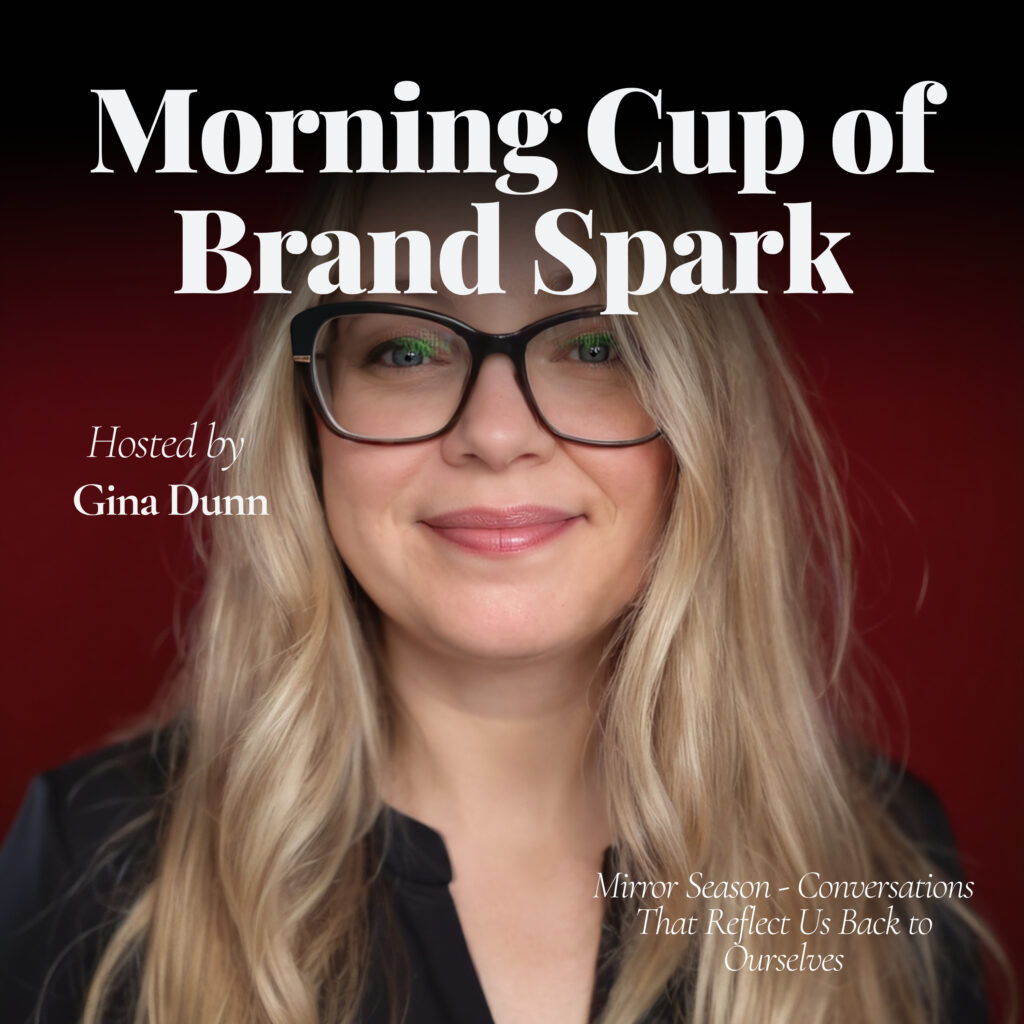
Episode 50: Your Copy Isn’t Clear — It’s Cowardly
Vague copy isn’t safe. It’s cowardly.Today’s Brand Spark calls out the copy culprits that sound "nice" but say nothing — and shows you how to reclaim your real voice.
Start saying what you actually mean:https://ogsolutions.nl/brand-glow-up-audit/
"Vagueness is a defense mechanism. It keeps you from being misunderstood by making sure no one actually understands you."
Full transcript
Vague copy isn't safe. It's cowardly. Today's BrandSpark calls out the copy culprits that sound nice, but actually say nothing and shows you how you can reclaim your real voice. Good morning and welcome back to your morning cup of BrandSpark. I'm Gina Dunn, founder of OG Solutions and the brand strategist who helps you stop writing the same sentence 12 different ways.
Today is Wednesday, June 18th. Let's start with a line you might not be ready for. Your copy isn't vague because you're cautious. It's vague because you're hiding. So let's spark it up.
We've all done this before. We've defaulted to generic lines like quote, helping people live their best lives or empowering leaders to reach their full potential. They sound lovely, but they mean nothing. And here's the deeper truth. Vagueness, it's a defense mechanism. It keeps you from being misunderstood by making sure no one actually understands you.
If your brand is full of soft language, passive phrasing, and high level abstractions, you're not being strategic here, you're being avoidant. And the real reason that your copy sounds off? You're actually editing the honesty out of it. You're so afraid of being too much, too niche, too real, that you end up saying nothing.
You can't build trust if people don't know what you're really saying. Clarity, it's the boldest move in a sea of vague brands because clarity demands commitment. It actually requires you to choose a point of view, a positioning, and a voice.
And here's what's happening when your copy gets brave. You repel the wrong clients. You attract the right ones faster. And you stop wasting energy on explaining and you start creating momentum forward. And most importantly, you sound like someone that we can trust because you finally sound like you. And take today's spark as your permission. Stop using someone else's voice.
Your brand won't land until it sounds like you mean it.
And here's your Spark check for today. Spark one, what's one sentence on your homepage or your LinkedIn profile that feels safe but says nothing? Spark two, what have you been avoiding saying because it might not land with everyone out there? And Spark three, what's the one line that you wish you had the guts to put on your about page? Think about those three. And if your copy feels fake, it probably is.
The brand glow up can help you fix that and figure out where it is on your website. You can grab that at OGsolutions.nl. And if you want the mirror version, you can book a clarity call with me. You can find the link on the website as well. Vague copy doesn't protect your brand. It paralyzes it. So say the bold thing, say the true thing, and say the one thing that actually lands. That's your spark for today.
I'll see you tomorrow.
Key takeaways & FAQ
Five things to steal
- 01 Vague brand copy is a defense mechanism, not a strategic safety net.
- 02 Clarity demands commitment — choose a point of view, positioning, and voice.
- 03 Brave copy repels wrong clients and attracts the right ones faster.
- 04 Stop editing honesty out of your copy; fear of niching kills trust.
- 05 Your brand won't land until your copy sounds like you truly mean it.
Frequently asked
According to brand strategist Gina Dunn, vague copy is usually a defense mechanism rather than a strategic choice. When writers fear being too niche, too direct, or misunderstood, they default to soft language and high-level abstractions. The result is copy that sounds safe but actually communicates nothing — and fails to build trust with the right audience.
Gina Dunn explains that when your copy gets brave and specific, it works as a natural filter. Clear, committed language repels the wrong clients while attracting the right ones faster. It also eliminates the energy drain of constantly over-explaining your offer, creating forward momentum instead of confusion or misalignment.
Gina Dunn cites phrases like 'helping people live their best lives' and 'empowering leaders to reach their full potential' as classic culprits. These lines sound pleasant but carry no real meaning. They rely on passive phrasing and broad abstractions that could apply to almost any brand, making it impossible for the right audience to feel genuinely spoken to.
Gina Dunn suggests a three-part self-audit: identify one sentence on your homepage or LinkedIn that feels safe but says nothing, pinpoint what you've been avoiding saying because it might not resonate with everyone, and consider what line you wish you had the courage to put on your About page. If your copy feels fake, she argues, it probably is.
Liked this episode? Get my weekly semi-regular newsletter on brand and positioning.
One short read every few weeks. Just the sharpest thinking from the period, from me to you, in under five minutes.